
We are building what lasts.
Foundation Layer is a 501(c)(3) nonprofit built to strengthen digital resilience at its foundation — examining how incentives shape security outcomes, how governance models shape technology, and how hard-earned practitioner lessons become durable market and policy change.
Not just what technology does, but what it prioritizes. Not just who it serves, but who it empowers.
The lessons that built this institution
Markets move faster than norms. Institutions move slower than risk. Everything we do is designed to close that gap.
Homogeneous decision-making breeds groupthink, overlooks edge cases, and underestimates risk. Expanding perspective improves system performance.
Narrative change matters, but progress dissipates when attention and resources shift unless durable systems sit behind it.
Insight has to translate into policy design, market incentives, and operational change to move real outcomes.
Security and safety are upstream design choices with economic and societal consequences — not features bolted on later.
Harm surfaces when human impact is treated as secondary to technical capability. Innovation and safety advance together.
Durable progress requires long-term institutional design, not reactive fixes tied to funding cycles, headlines, or product cycles.
Two practitioners, one mandate
Camille and Lauren have spent their careers inside the systems Foundation Layer is built to strengthen — government, industry, research, and the practitioner communities that hold it all together.


Camille has built and operated across national security, enterprise execution, and the environments where emerging technology moves from ambition to reality. She served two U.S. presidents — including as the first Deputy National Cyber Director for Technology & Ecosystem Security at the White House — and has led emerging-technology security work at Google, Deloitte, DHS, and CrowdStrike.
She is CEO of CAS Strategies and author of The Insider You Built: How Organizations Stay in Control of Autonomous AI Agents. She sits on the board of The Cyber Guild and advises the Black Hat CISO Summit and the AI Security Forum. CISSP, PMP, and a CISO certificate from Carnegie Mellon.
camillestewartgloster.comLauren is a national security leader and cybersecurity strategist with more than 22 years across government, industry, and academia. She served as Senior Advisor to the Executive Assistant Director for Cybersecurity at CISA, where she led Secure by Design — the effort to shift responsibility for security upstream, into how technology is built.
She led the Cyber Project at Harvard's Belfer Center and served as its Acting Executive Director, helped shape the threat intelligence field at Recorded Future in its early days, and began her career as a U.S. Air Force intelligence officer, later deploying three times to Afghanistan as a counterterrorism analyst.
laurenzabierek.comThe team running the work
A small, senior team — the people who turn the mandate into programs, partnerships, and published work.
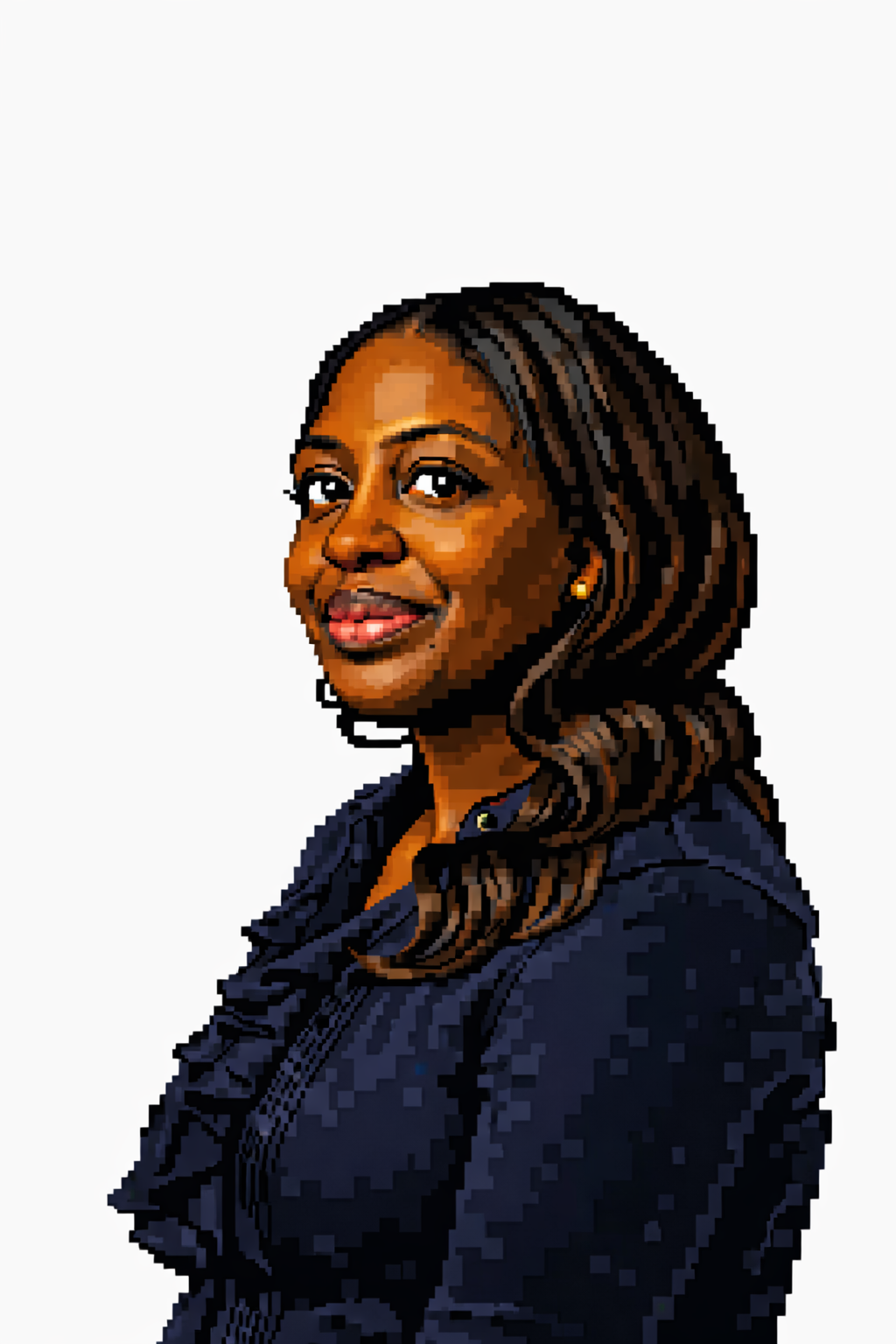



Leads Foundation Layer's strategy, operations, and external partnerships — accountable for turning the mandate into durable institutional capacity.
Oversees execution across initiatives — research, convenings, and the internal systems that let a small organization operate at scale.
Designs and runs the program portfolio, from the Autonomous Resilience Initiative to fellowship and leadership pathways.
Leads the Strategic Edge series, from event strategy to sponsor and partner relationships.
Foundation Layer is run by a volunteer team dedicated to the mission.
Board of Directors
A board drawn from security, policy, philanthropy, and community practice — chosen for the range of vantage points this work requires.



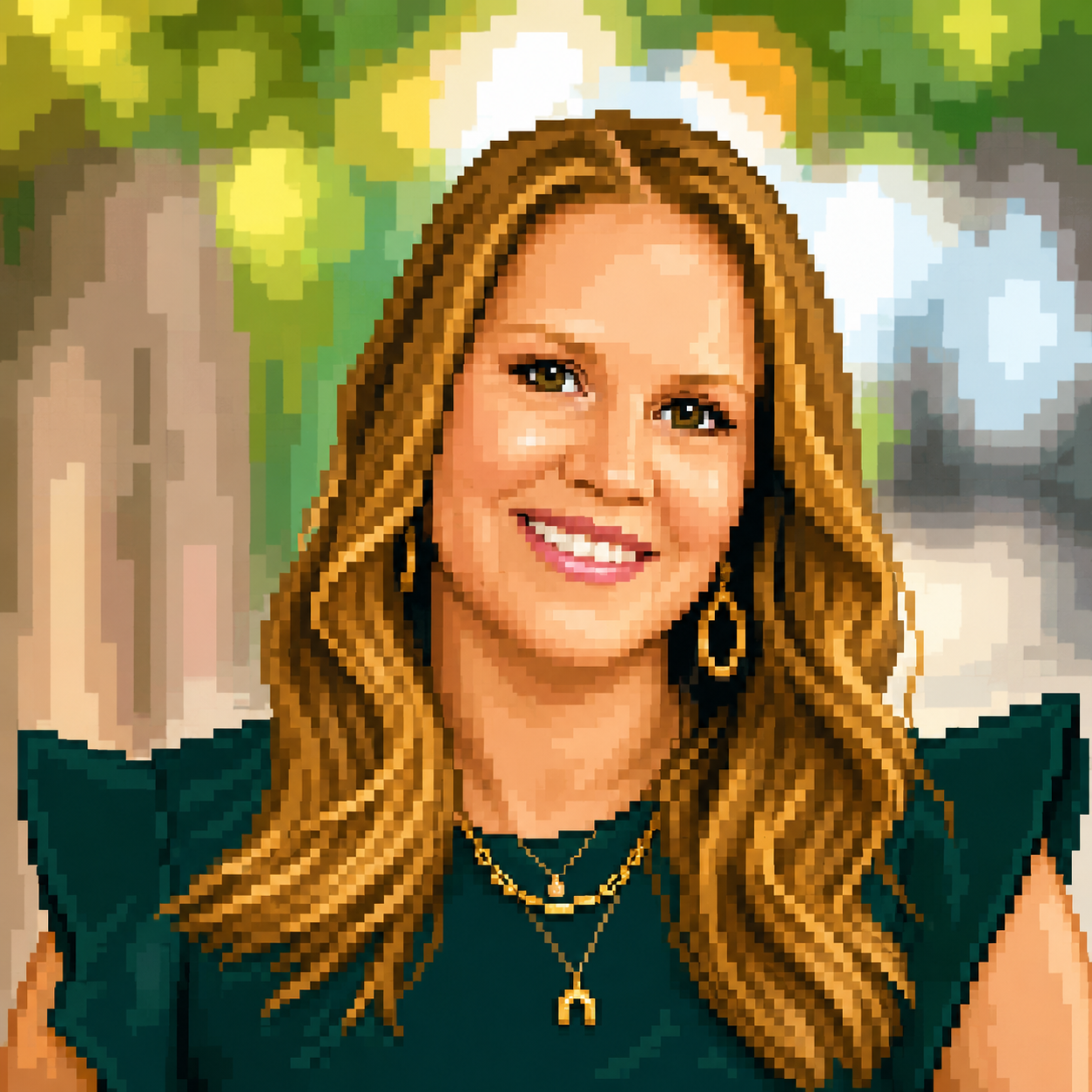
This did not emerge in a vacuum
It started with a realization: the ground was shifting. AI, digital infrastructure, and economic concentration were reshaping how people live and work faster than anyone was deciding how they should — and decisions made by default are still decisions. Being intentional about the layer beneath it all was going to require deliberate work.
Camille Stewart Gloster started an initiative through CAS Strategies and invited like-minded collaborators into it — builders, organizers, technologists, researchers, and policy shapers, convened to ask what comes after the current paradigm.
Lauren Zabierek was among them, and the two had already worked this way before: #ShareTheMicInCyber, which they co-founded, surfaced blind spots institutions had overlooked and proved how fast the field moves when the right people are in the room. That collaboration is the reason this one made sense.
The thesis was set out in The Foundation Layer: Laying the Groundwork for a Better Digital Future, written after a deep-dive workshop at Hacker Summer Camp: accelerating systems need durable governance infrastructure beneath them, and nobody was building it.
Then the work outgrew its container. Research meant to be public, fellowships meant to be open, and convenings meant to serve a whole field are not things a consulting firm can hold — they need an institution with a public mandate, independent governance, and a time horizon longer than any engagement.
So Camille and Lauren founded Foundation Layer Institute together — an independent 501(c)(3), built for the long horizon this work requires. The institution is new; the mission has been underway for years.